

In 2026, the Army will have further integrated ACFT scoring into DTMS, making it essential for leaders to understand how to input and manage these scores effectively. DTMS is a web-based system designed to assist Army leaders in managing training, tracking soldier performance, and ensuring compliance with Army training regulations.
Balance assessments may include single-leg stands or dynamic balance tests. Balance and Coordination: These tests evaluate an individual's ability to maintain stability and perform coordinated movements.
The Advanced Functional Capacity Test (AFCT) is a standardized assessment that provides healthcare professionals with a comprehensive view of a patient's functional abilities. The AFCT is particularly valuable for assessing patients with chronic conditions, post-surgical recovery, or those undergoing physical therapy. It is often utilized in rehabilitation centers, sports medicine, and occupational health to gauge an individual's readiness to return to work, sports, or daily activities following an injury or illness.
The success of the ACFT in 2026 will ultimately depend on its ability to adapt to the changing landscape of military service while fostering a culture of health, resilience, and excellence among soldiers. By focusing on comprehensive assessments that consider the diverse roles of soldiers, the integration of mental resilience training, and the use of technology for performance tracking, the Army is poised to enhance the overall fitness levels of its personnel. In conclusion, the anticipated ACFT score updates for 2026 represent a significant evolution in the Army's approach to physical fitness and readiness. As the implementation date approaches, it is imperative for Army leadership to engage with soldiers, gather feedback, and ensure that the new scoring system is perceived as fair and supportive.
This case study aims to analyze the anticipated trends, implications, and overall impact of the ACFT score updates on soldiers and the U.S. The ACFT was introduced to enhance physical readiness and combat effectiveness among soldiers, moving away from the traditional Army Physical Fitness Test (APFT) which primarily focused on push-ups, sit-ups, and a two-mile run. The Army combat fitness test calculator Fitness Test (ACFT) has undergone significant changes since its inception, with the latest scoring system set for 2026. The ACFT incorporates a more comprehensive set of physical tasks that simulate real-world combat scenarios, including deadlifts, standing power throws, hand-release push-ups, sprint-drag-carry, leg tucks, and a two-mile run.
 For some, the new test has been a source of motivation, encouraging them to improve their physical fitness and overall health. Impact on Soldier Morale and Unit Cohesion
The introduction of the ACFT and its passing score has had a mixed impact on soldier morale and unit cohesion. Soldiers report feeling more empowered to take charge of their fitness, leading to positive changes in lifestyle and camaraderie within units.
 Background of the ACFT
Introduced in 2020, the ACFT consists of six events: the deadlift, standing power throw, hand-release push-up, sprint-drag-carry, leg tuck (or plank), and a two-mile run. The scoring system is based on a scale of 0 to 600 points, with a minimum passing score of 360 points required to achieve a "go" status. This new standard reflects a shift in focus from purely aerobic fitness to a more balanced assessment of overall physical readiness. Each event is designed to measure different aspects of physical fitness, including strength, endurance, agility, and coordination.
 Conversely, a system perceived as overly stringent or unrealistic may lead to frustration and disengagement. The Army must strike a balance between maintaining high fitness standards and ensuring that soldiers feel supported in their efforts to meet these standards. A fair and transparent scoring system that recognizes individual efforts and achievements can significantly boost morale among soldiers. As the Army prepares for the 2026 implementation of the new ACFT scoring system, it is essential to consider the implications for soldier morale and retention.
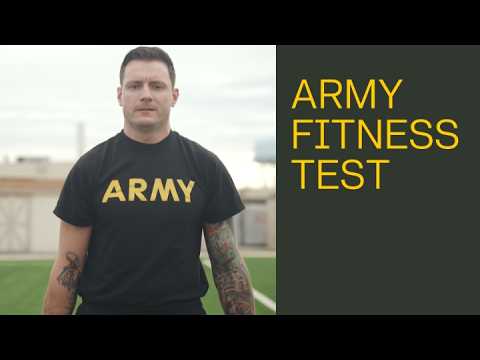 Each event is designed to evaluate different aspects of fitness, including strength, endurance, and agility. The new test measures a broader range of physical capabilities that are essential for soldiers in combat scenarios. The ACFT was introduced to replace the Army Physical Fitness Test (APFT), which was based solely on push-ups, sit-ups, and a two-mile run. The ACFT consists of six events: the deadlift, standing power throw, hand-release push-up, sprint-drag-carry, leg tuck, and a two-mile run.
The Army Combat Fitness Test (ACFT) has become a cornerstone of physical readiness evaluation within the United States Army. This case study will explore the process and provide a detailed guide on inputting ACFT scores in 2026, ensuring compliance with the latest Army standards and enhancing overall readiness. As the Army continues to evolve its training and assessment protocols, understanding where and how to input ACFT scores in the Digital Training Management System (DTMS) is crucial for both soldiers and leaders.
Balance assessments may include single-leg stands or dynamic balance tests. Balance and Coordination: These tests evaluate an individual's ability to maintain stability and perform coordinated movements.
The Advanced Functional Capacity Test (AFCT) is a standardized assessment that provides healthcare professionals with a comprehensive view of a patient's functional abilities. The AFCT is particularly valuable for assessing patients with chronic conditions, post-surgical recovery, or those undergoing physical therapy. It is often utilized in rehabilitation centers, sports medicine, and occupational health to gauge an individual's readiness to return to work, sports, or daily activities following an injury or illness.
The success of the ACFT in 2026 will ultimately depend on its ability to adapt to the changing landscape of military service while fostering a culture of health, resilience, and excellence among soldiers. By focusing on comprehensive assessments that consider the diverse roles of soldiers, the integration of mental resilience training, and the use of technology for performance tracking, the Army is poised to enhance the overall fitness levels of its personnel. In conclusion, the anticipated ACFT score updates for 2026 represent a significant evolution in the Army's approach to physical fitness and readiness. As the implementation date approaches, it is imperative for Army leadership to engage with soldiers, gather feedback, and ensure that the new scoring system is perceived as fair and supportive.
This case study aims to analyze the anticipated trends, implications, and overall impact of the ACFT score updates on soldiers and the U.S. The ACFT was introduced to enhance physical readiness and combat effectiveness among soldiers, moving away from the traditional Army Physical Fitness Test (APFT) which primarily focused on push-ups, sit-ups, and a two-mile run. The Army combat fitness test calculator Fitness Test (ACFT) has undergone significant changes since its inception, with the latest scoring system set for 2026. The ACFT incorporates a more comprehensive set of physical tasks that simulate real-world combat scenarios, including deadlifts, standing power throws, hand-release push-ups, sprint-drag-carry, leg tucks, and a two-mile run.
For some, the new test has been a source of motivation, encouraging them to improve their physical fitness and overall health. Impact on Soldier Morale and Unit Cohesion The introduction of the ACFT and its passing score has had a mixed impact on soldier morale and unit cohesion. Soldiers report feeling more empowered to take charge of their fitness, leading to positive changes in lifestyle and camaraderie within units.
Background of the ACFT Introduced in 2020, the ACFT consists of six events: the deadlift, standing power throw, hand-release push-up, sprint-drag-carry, leg tuck (or plank), and a two-mile run. The scoring system is based on a scale of 0 to 600 points, with a minimum passing score of 360 points required to achieve a "go" status. This new standard reflects a shift in focus from purely aerobic fitness to a more balanced assessment of overall physical readiness. Each event is designed to measure different aspects of physical fitness, including strength, endurance, agility, and coordination.
Conversely, a system perceived as overly stringent or unrealistic may lead to frustration and disengagement. The Army must strike a balance between maintaining high fitness standards and ensuring that soldiers feel supported in their efforts to meet these standards. A fair and transparent scoring system that recognizes individual efforts and achievements can significantly boost morale among soldiers. As the Army prepares for the 2026 implementation of the new ACFT scoring system, it is essential to consider the implications for soldier morale and retention.Each event is designed to evaluate different aspects of fitness, including strength, endurance, and agility. The new test measures a broader range of physical capabilities that are essential for soldiers in combat scenarios. The ACFT was introduced to replace the Army Physical Fitness Test (APFT), which was based solely on push-ups, sit-ups, and a two-mile run. The ACFT consists of six events: the deadlift, standing power throw, hand-release push-up, sprint-drag-carry, leg tuck, and a two-mile run.The Army Combat Fitness Test (ACFT) has become a cornerstone of physical readiness evaluation within the United States Army. This case study will explore the process and provide a detailed guide on inputting ACFT scores in 2026, ensuring compliance with the latest Army standards and enhancing overall readiness. As the Army continues to evolve its training and assessment protocols, understanding where and how to input ACFT scores in the Digital Training Management System (DTMS) is crucial for both soldiers and leaders.
 Enhancing Soldier Readiness: The U.S. Army's ACFT Calculator ...
